Mánnu
Mánnu is a video and sound artwork created for Once in a Blue Moon; a celebration of the rare Blue Moon in march 2026, as well as a contemplation on the nature of time and the decolonization of it.
Visit the work Mánnu
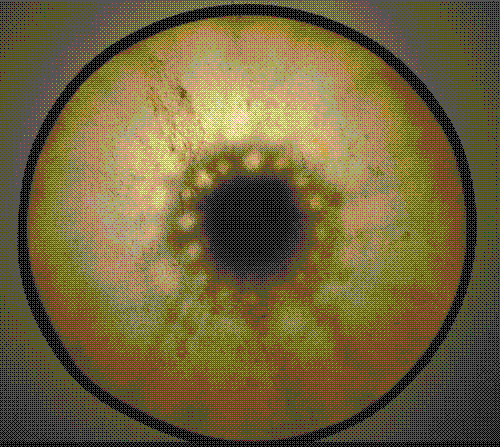
Singing light
Singing light is a coded, sitebased artwork consisting of interconnected stories as well as audio, visual and interactive elements. It was commisioned by HTML review – an annual journal of literature made to exist on the web.
Singing light explores metaphysical reality from an indigenous sámi worldview.
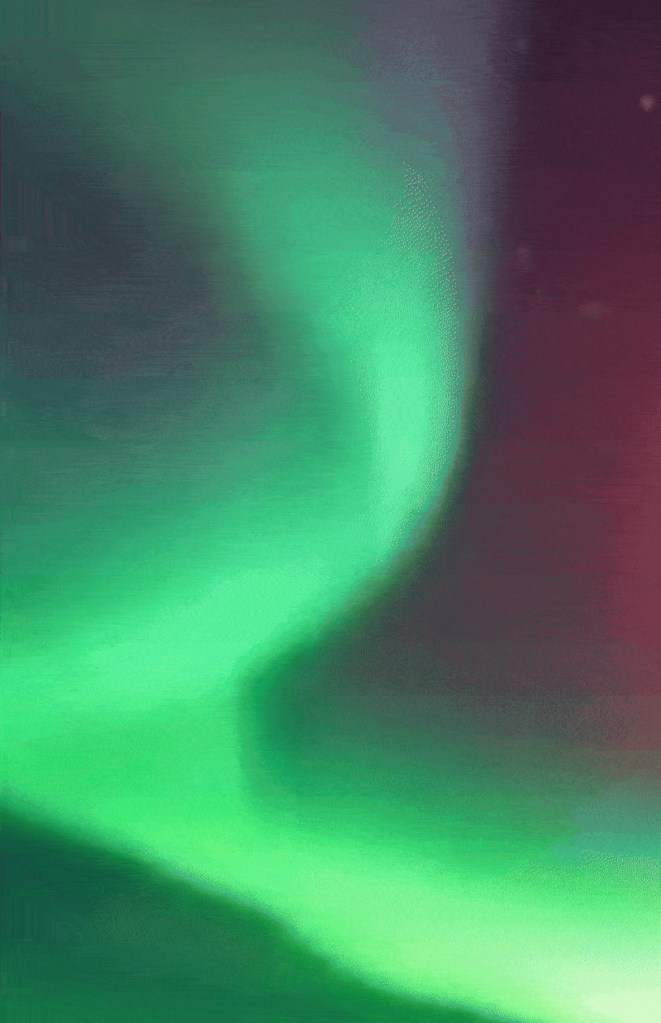
Stories for Kritkat
In the digital exhibition Kritisk katalogisering (Billedsamlingen – Universitetet i Bergen), I have gathered and retold surviving personal stories for many of the sámi people portrayed in the UNESCO World heritage photography collection by Sophus Tromholts.
Since many of these people were related or close neighbours, they offer many perspectives on the same historical events, as well as shorter stories from their everyday life. In these stories, you can read about the search for a sieidi, a policeman assisting a graverobbing, a man who wore womens clothing to church in the 1800s and the longest ever recorded journey with ráidu / reindeer sleighs — 3200 km. –, as well as larger historical events such as the the Guovdageaidnu (Kautokeino) rebellion and the sámi settlers in Alaska.

Jáhkoš Lásse / Lars Jacobsen Hætta was part of the Kautokeino-rebellion, and served more than a decade in Akershus Slaveri as punishment for it. His perspectives appear several times in these stories, from both before, during and after his time in slavery.

Ovllá Biret og Biret Ánne / Brita Olsdatter Nango og Berit Anne
Ovllá Biret and her daughter Biret Ánne moved to Alaska after problems with settlements and discriminating laws in their own land. There, they worked with training inuit people in reindeer herding.
See the full digital exhibition here (norwegian)
Máren Márjá
Skogen forteller
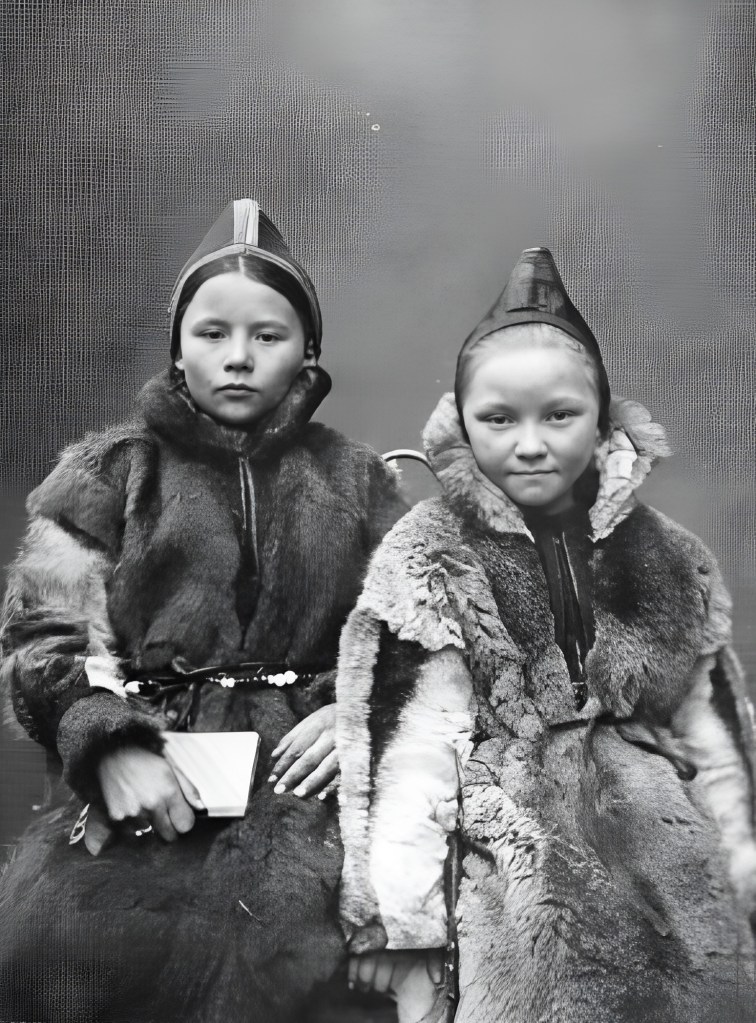
The story of Máren Márjá was broadcasted on handheld FM-radios during the event Skogen forteller / Meahccehallan, curated by Peter Meanwell and presented by Borealis on the 1. february 2025. It was also presented through Parabol, a sound shower curated by Lydgalleriet in Kunsthall 3,14 from 15.11.2025–18.1.2026.
The work combines an oral storytelling tradition with thorough research, set in a compositional landscape of sounds, joik and music by artist Tuula Sharma Vassvik. This site-specific work retells the story of the land formally known as Lappeleiren, an area named after the tourist attraction – or human zoo – that once stood there. Through stories from Máren Márjas sijte (reindeer herding community), from her time displayed behind fences, and stories of her fathers struggles and dreams of keeping the reindeer herd, we can attempt to understand how she came to be displayed as a tourist attraction in Bergen.
Skogen forteller
Birgon
Birgon was installed in Jiennagoahti from 1.12.25-1.3.26.
This work, created for Jiennagoahti, tells four stories of sámi history related to Birgon, as the city of Bergen is called in northern sámi. The stories were accompanied by the musical landscape created by artist and composer Sondre Närva Pettersen.

I
The first story is based on some of Norways oldest sagas, ranging from the 1100s to the 1300s. It begins as the south sámi princess Snefrid meets her soon-to-be husband, Harald Fairhair. They live together happily, until she one day becomes terribly ill. Later, we also meet her brother and sister, who appear in the saga Fundinn Nóregr (Found Norway), and whose family relation to Snefrid is documented in Landnámabók. These stories show elements of both historical accuracy and the supernatural and mythical.
II
The second story is based on an old sámi folk tale as it was told by Erik Persen Trollvik from Gáivuotna and written down in 1880. In the story, a sámi fisherman finds himself at sea surrounded by a strange and dark mist. He rows through the mist and ends up in the world of the háldi. The háldi, in sámi folklore, are an invisible people, sometimes referred to as guardians, the council, or spirits of the land. Not unlike their human counterparts, they have it in them to be both merciful saviours, as well as cruel, unforgiving and dangerous. The eldest háldi grants the fisherman and his family more food than they can eat, thus saving them from starvation. The háldi gives the fisherman a ship and tells him to sail to Birgon.
III
In the third story, we attend a retelling of the noaidi Poala-Ándes trial. The story begins as the governor of Finnmark, Hans Hansen Lilienskiold boards a ship in Birgon and moves to Vadsø. There, he studies the local culture and history and joins the wave of witch burning that had been sweeping through Europe for several years, and that disproportionately affected the indigenous population in Sápmi. He attended the trial of Poala-Ánde and wrote detailed description of it, inspiring parts of this retelling. This is a story of colonization, witch-trials and murder.
IV
The fourth and final story is the most recent, from 1887. In this story we meet the 17-year-old Maren Marie Kant/Máren Márja, one of the sámi people exhibited in “Lappeleiren”, a tourist attraction – or human zoo – in Birgon.
https://jiennagoahti.art/projects/
Visual
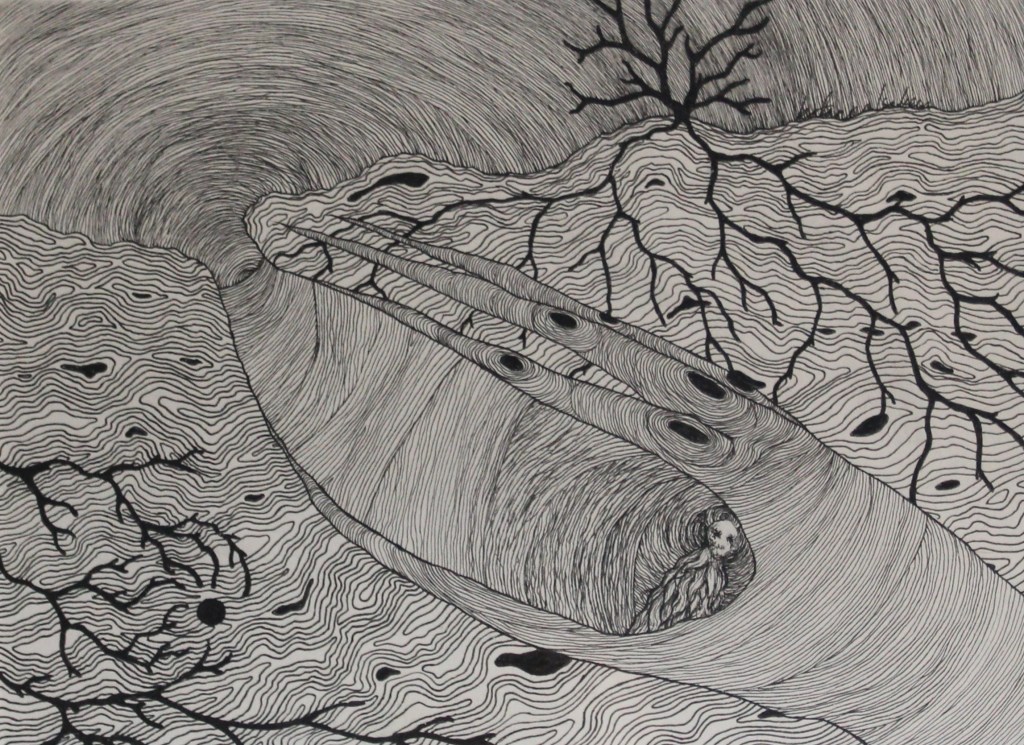
Ink on paper – 210 x 297 cm.
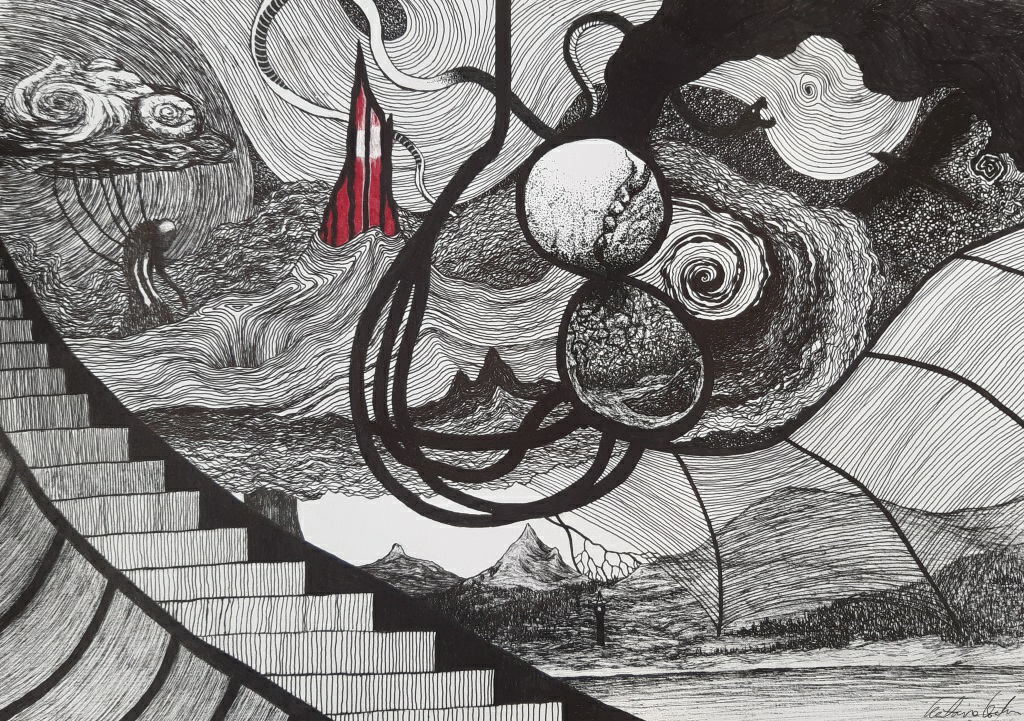
Ink on paper – 297 x 420 cm.
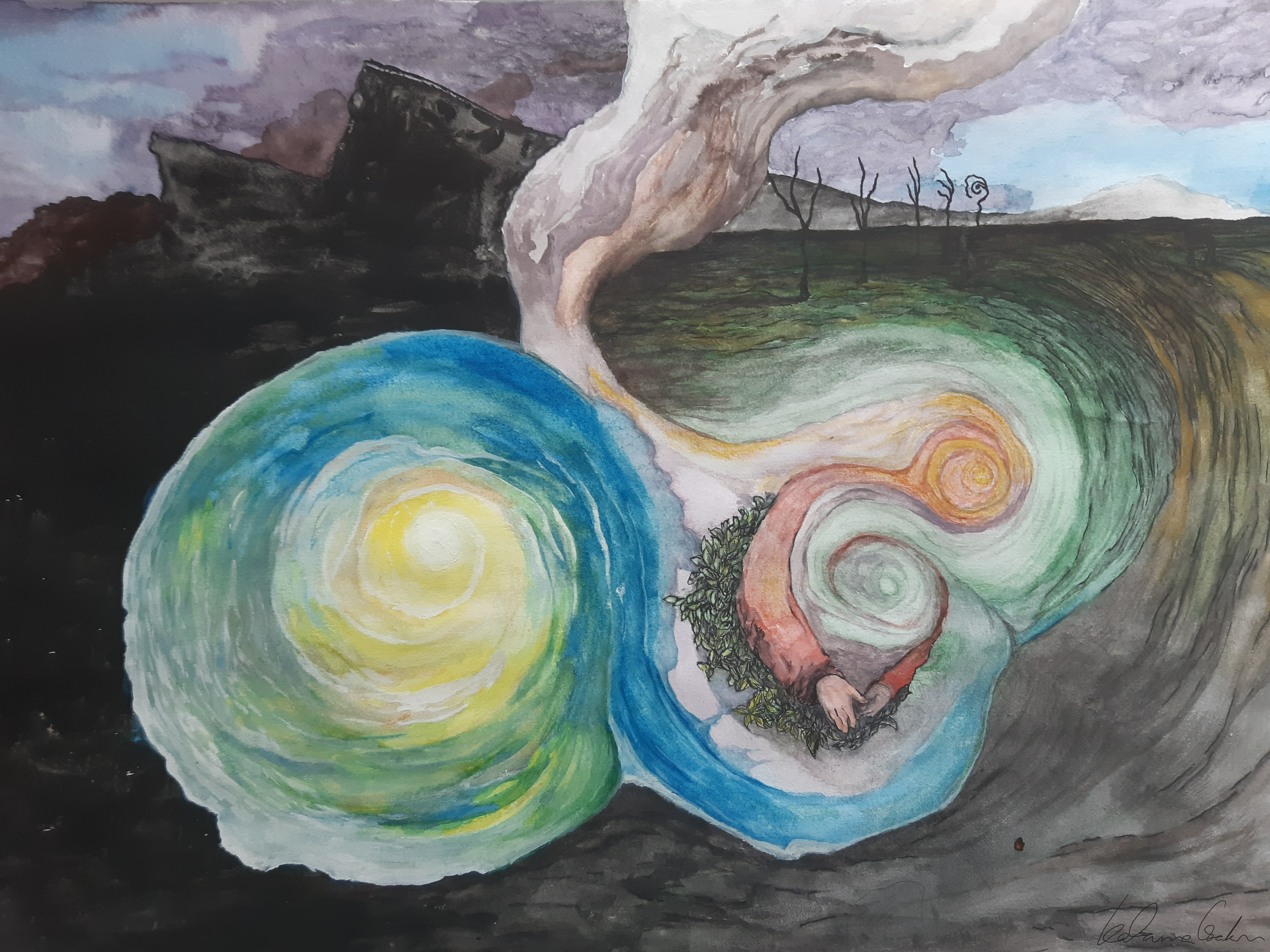
Ink and watercolor on paper – 297 x 420 cm.
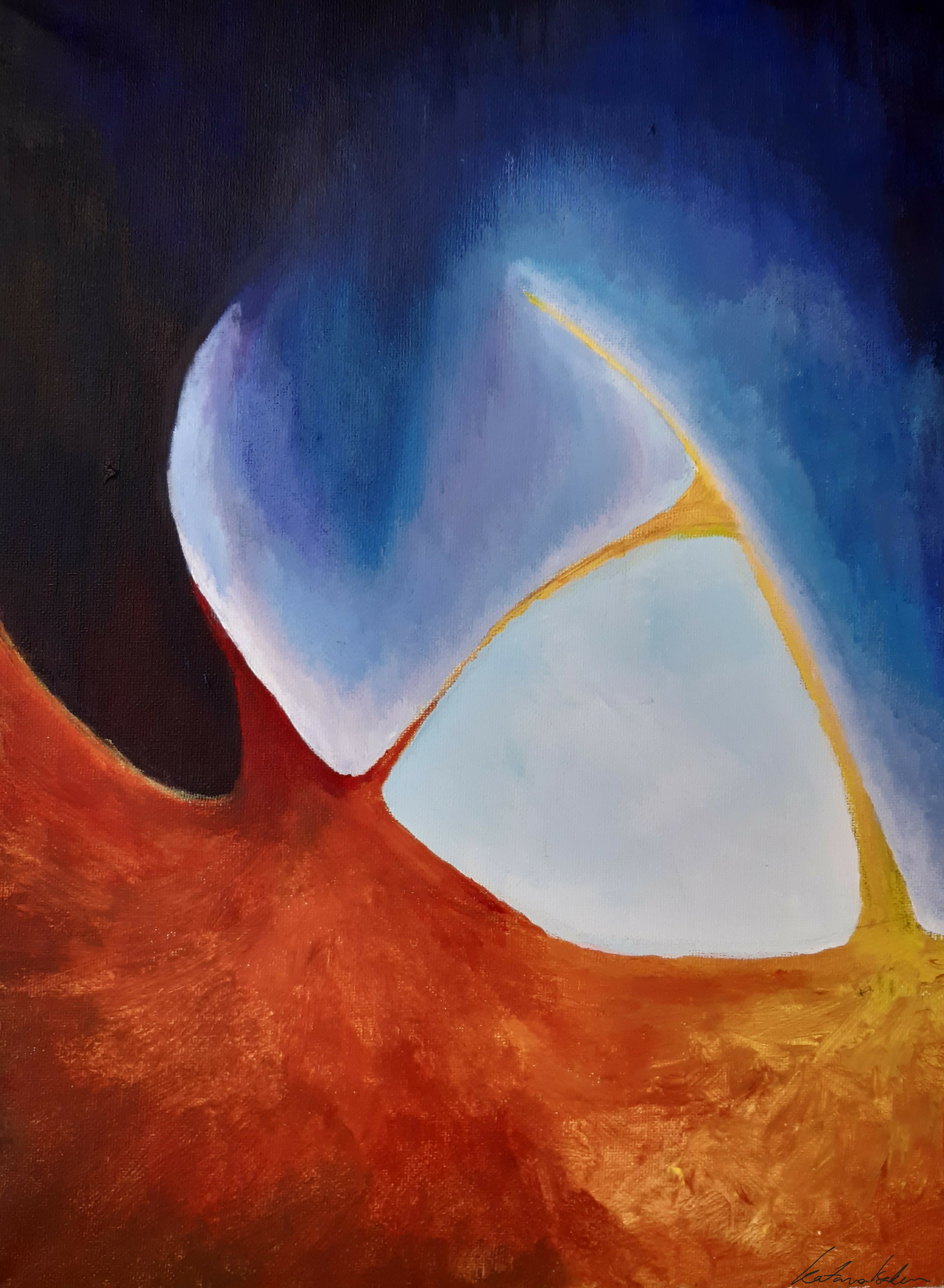
Acrylics on canvas – 50 x 70 cm.
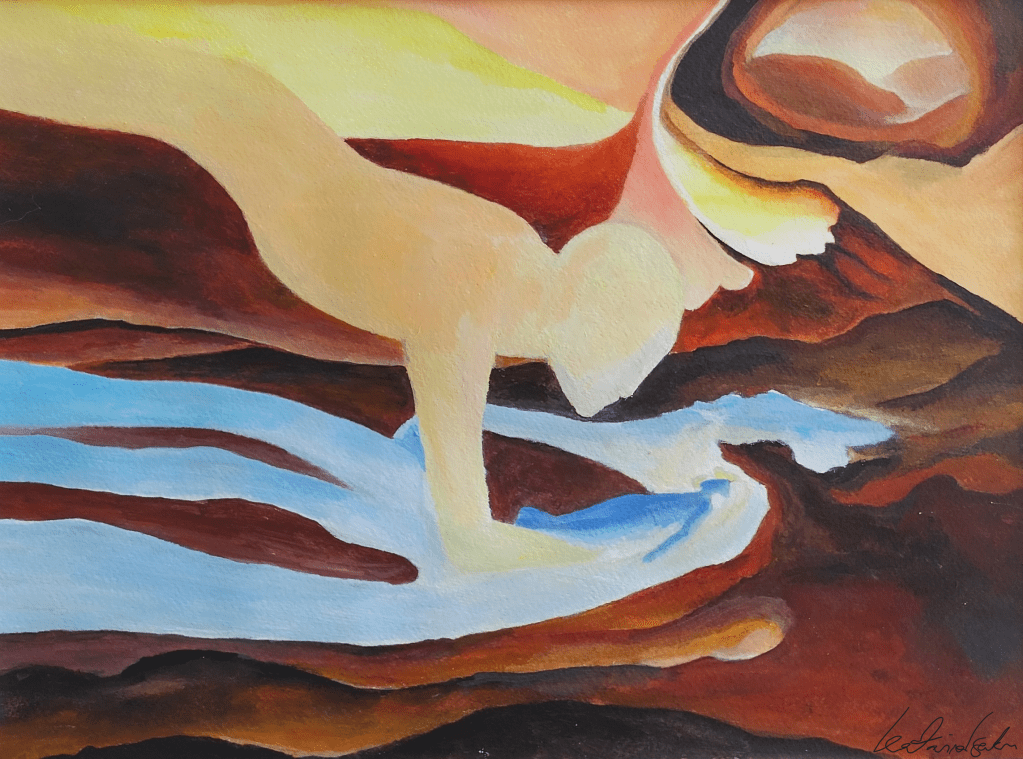
Acrylics on canvas
2026

